

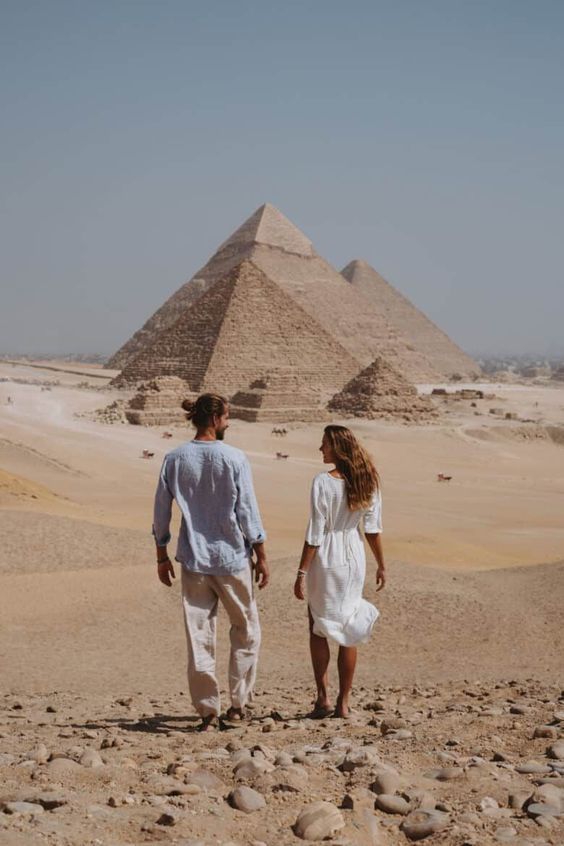
Egypt Private Tour with Nile Cruise: A Complete Guide to Exploring Egypt
An Egypt private tour with Nile cruise combines Egypt’s most famous archaeological sites with the relaxing experience of sailing along the world’s most iconic rivers. Instead of spending your entire vacation moving between hotels and cities, you can explore Cairo and the Pyramids, travel south to Luxor, board a Nile cruise, and discover the temples and ancient cities between Luxor and Aswan.
A private tour also gives you greater flexibility than a standard group package. Your itinerary can be arranged around your travel dates, interests, preferred accommodation, and travel pace. You can spend more time at the sites that interest you, add extra experiences, or extend your journey with a beach stay in Hurghada or Sharm El Sheikh.
For couples, families, and small groups, this combination offers a convenient way to experience ancient history, Egyptian culture, local life, and the scenery of the Nile during one carefully planned holiday.
Why Choose an Egypt Private Tour with Nile Cruise?
Egypt is a large country with attractions spread across different regions. Cairo is in northern Egypt, while Luxor and Aswan are much farther south in Upper Egypt. Planning transportation, hotels, sightseeing, and cruise arrangements separately can therefore become complicated.
An Egypt private tour with Nile cruise brings these elements together in one itinerary. You can explore Cairo first, then continue to Luxor and experience the major temples and archaeological sites while traveling by cruise toward Aswan.
The cruise itself becomes part of the holiday rather than simply being transportation. Between excursions, you can relax on the ship, enjoy meals, watch villages and agricultural landscapes along the river, and experience Egypt from a completely different perspective.
Enjoy a Personalized Travel Experience
A private tour allows you to organize your trip around your own interests instead of following a fixed schedule designed for a large group.
For example, travelers particularly interested in ancient Egyptian history may want additional time at Karnak Temple, the Valley of the Kings, or the temples along the Nile. Families with children may prefer shorter sightseeing periods combined with more leisure time.
You can also discuss the number of nights in Cairo, the length of the Nile cruise, hotel category, transportation arrangements, and optional activities before confirming the itinerary.
This flexibility is especially useful for travelers who are visiting Egypt for the first time and want to combine several destinations without making the trip feel rushed.
Travel with a Private Guide
A private guide can add considerably more context to your sightseeing experience.
Egypt’s archaeological sites contain inscriptions, statues, temples, tombs, and religious symbols that can be difficult to understand without historical background. A professional guide can explain the stories behind the monuments and connect what you see with the development of ancient Egyptian civilization.
During a private visit, you can also ask questions according to your own interests. Someone interested in pharaohs may want to learn more about royal dynasties, while another traveler may be more interested in ancient religion, architecture, mythology, or everyday life.
What Does an Egypt Private Tour with Nile Cruise Include?
The exact itinerary and inclusions depend on the package you choose, but many private Egypt tours combine Cairo, Giza, Luxor, Edfu, Kom Ombo, and Aswan.
Some travelers also extend the journey to Hurghada, Sharm El Sheikh, or Alexandria.
The advantage of arranging these destinations as one private itinerary is that the transportation and sightseeing can be coordinated in advance, reducing the need to organize individual hotels, transfers, guides, and excursions yourself.
Cairo: Begin Your Egyptian Adventure
Cairo is often the starting point for an Egypt private tour because it provides easy access to the Giza Plateau and many important historical attractions.
The city itself is very different from the quieter Nile Valley. Cairo is a large, modern capital where ancient monuments, historic neighborhoods, markets, museums, restaurants, and contemporary Egyptian life exist side by side.
Starting your trip here gives you the opportunity to understand both ancient and modern Egypt before traveling south.
Visit the Pyramids of Giza
The Pyramids of Giza are among the world’s most recognizable ancient monuments.
The Giza Plateau contains the Great Pyramid of Khufu, the Pyramid of Khafre, the Pyramid of Menkaure, and the Great Sphinx. The pyramids were built as monumental tombs for pharaohs and remain one of the most important surviving achievements of ancient Egyptian architecture.
During a private visit, you can explore the pyramid complex with your guide and learn about the pharaohs associated with the monuments, their construction, and the religious beliefs surrounding royal burials.
You can also take time for photographs and enjoy views of the pyramids from different areas of the plateau. Depending on your interests and ticket arrangements, additional experiences inside or around the pyramids can be added to the itinerary.
Explore Cairo’s Museums
A museum visit can complement your experience at the Pyramids by allowing you to see objects and artifacts connected with ancient Egyptian civilization.
Museum collections can include statues, jewelry, funerary objects, royal artifacts, papyri, and other archaeological discoveries.
For travelers interested in ancient Egypt, combining archaeological sites with museum visits provides a broader understanding of the people, beliefs, art, and technology of the civilization that created these monuments.
Luxor: Discover Ancient Thebes
After exploring Cairo, many private Egypt itineraries continue south to Luxor.
Luxor is located on the banks of the Nile and was once the ancient city of Thebes. Today, it is one of the most important archaeological destinations in Egypt, with major monuments on both sides of the river.
The division between the East Bank and West Bank makes Luxor particularly interesting because each side offers a different historical experience.
Explore the East Bank of Luxor
The East Bank was associated with temples and religious life, while the West Bank became strongly connected with royal tombs and funerary monuments.
Karnak Temple
Karnak is not simply one temple but a vast religious complex that developed over many centuries.
The complex contains enormous gateways, courtyards, statues, obelisks, and the famous Great Hypostyle Hall, where huge columns create an impressive architectural space.
Your guide can explain how different pharaohs contributed to the complex and how Karnak was connected to the religious beliefs of ancient Thebes.
Luxor Temple
Luxor Temple is located in the heart of modern Luxor and was closely associated with royal ceremonies and religious traditions.
The temple contains monumental statues, columns, courtyards, and inscriptions. Its connection with Karnak through the ancient Avenue of Sphinxes illustrates the importance of the area in ancient times.
Visiting Luxor Temple later in the day can also provide a different atmosphere, as the monument takes on a distinctive appearance after sunset.
Discover the West Bank
Crossing the Nile to the West Bank introduces you to another side of ancient Egyptian history.
The area contains royal tombs, temples, and funerary monuments surrounded by the dramatic landscape of the Theban mountains.
Valley of the Kings
The Valley of the Kings was used as a burial area for many New Kingdom rulers.
Instead of building enormous pyramids, later pharaohs were buried in rock-cut tombs hidden within the mountains. Many tombs contain colorful paintings and inscriptions describing religious beliefs and the journey to the afterlife.
The number of tombs accessible to visitors can vary, so your tour operator can advise you about the available options for your travel date.
Temple of Hatshepsut
The Temple of Hatshepsut at Deir el-Bahari is built against a dramatic limestone cliff.
Hatshepsut was one of ancient Egypt’s most prominent female rulers, and the temple reflects both her political authority and religious role.
Its terraces, columns, reliefs, and setting make it one of the most distinctive monuments to visit during a Luxor tour.
Sail Along the Nile from Luxor to Aswan
The Nile cruise is the central experience of this type of Egypt holiday.
Most classic Nile cruise routes operate between Luxor and Aswan, allowing travelers to visit major archaeological sites while moving gradually through the Nile Valley.
Rather than packing your belongings and changing hotels every day, your cabin remains your base while the ship travels between destinations.
During sailing periods, you can relax on deck, enjoy meals, take photographs, or simply watch the scenery.
The landscape changes gradually as the river passes agricultural fields, palm trees, villages, and desert areas. This slower pace provides a welcome contrast to busy sightseeing days.
Visit Edfu Temple
Edfu is one of the most important stops on the classic Nile cruise route.
The Temple of Edfu was dedicated to Horus, the falcon-headed deity associated with kingship and protection. Its impressive entrance and well-preserved reliefs provide an excellent example of ancient Egyptian temple architecture.
A private guide can explain the mythology represented on the temple walls and help you understand the religious significance of the site.
Explore Kom Ombo Temple
Kom Ombo is another distinctive stop along the Nile.
Unlike many Egyptian temples dedicated primarily to one major deity, Kom Ombo was associated with two gods: Sobek, the crocodile god, and Horus the Elder.
The temple’s position directly beside the Nile makes it particularly scenic. Its reliefs and architectural remains also provide insight into religious practices and beliefs in ancient Egypt.
Aswan: End Your Nile Journey
Aswan is located farther south and offers a noticeably more relaxed atmosphere than Cairo.
The city is surrounded by islands, granite landscapes, palm trees, and the waters of the Nile. After several days of sightseeing, many travelers enjoy having time to slow down and appreciate the river scenery.
Visit Philae Temple
Philae Temple is one of the highlights of an Aswan itinerary.
The temple complex is dedicated primarily to the goddess Isis and is located on an island. Visitors reach it by boat, making the journey to the monument part of the experience.
The complex contains columns, reliefs, gateways, and other architectural elements that demonstrate the religious importance of the site.
Its relocation to higher ground during the construction of the Aswan High Dam is also an important part of its modern history.
Discover the Unfinished Obelisk
The Unfinished Obelisk provides an unusual opportunity to see evidence of ancient stone-working techniques.
The enormous granite monument was abandoned before completion, leaving part of the stone still attached to the bedrock.
The site helps visitors understand how ancient craftsmen worked large stone blocks and how monumental structures were prepared.
Experience Nubian Culture
Depending on your itinerary, you may also add a Nubian experience in Aswan.
Nubian villages and communities have their own cultural traditions, architecture, crafts, music, and cuisine. A visit can provide a perspective on southern Egyptian culture beyond the archaeological monuments.
How Many Days Do You Need for a Private Egypt Tour with Nile Cruise?
There is no single ideal duration because the right itinerary depends on the number of destinations you want to visit.
7-Day Egypt Private Tour
A seven-day itinerary can provide a compact introduction to Egypt.
You may combine Cairo and Giza with a Nile cruise covering the major attractions between Luxor and Aswan.
This option can work well for travelers with limited vacation time who want to experience both the Pyramids and ancient temples.
9–10 Day Egypt Tour
A 9- or 10-day itinerary gives you additional flexibility.
You can spend more time exploring Cairo before traveling south, enjoy a Nile cruise without rushing between activities, and potentially add another destination.
The additional days also provide more room for transportation and rest.
12–15 Day Egypt Private Holiday
With nearly two weeks or more, you can create a broader Egyptian vacation.
A longer itinerary could combine:
- Cairo and Giza
- Luxor
- Nile cruise
- Aswan
- Hurghada
- Alexandria
Adding Hurghada after the cruise is particularly attractive for travelers who want to combine historical sightseeing with several days of Red Sea relaxation.
What Is Included in a Private Nile Cruise Package?
The inclusions vary from one package to another, so travelers should always review the detailed itinerary before booking.
Accommodation
A typical package may include hotel accommodation in Cairo and a cruise cabin between Luxor and Aswan.
Hotel and cruise categories can vary, so you should check the exact accommodation level included in your package.
Private Transportation
Transportation may include airport transfers, sightseeing vehicles, and transfers between hotels, cruise ships, airports, or train stations.
Private transportation can make a multi-city itinerary considerably easier because you do not have to arrange each journey independently.
Guided Sightseeing
Private sightseeing usually includes a professional guide for scheduled attractions.
The guide can provide historical explanations, help organize the visits, and answer questions throughout the day.
Meals
Meals depend on the specific package.
Nile cruise programs commonly include meals onboard according to the cruise’s meal plan, while meals in Cairo and other cities may be included according to the selected itinerary.
Entrance Tickets
Entrance fees for attractions listed in the itinerary may be included, but additional tickets or optional experiences can sometimes have separate costs.
It is therefore important to check exactly what is included before making your reservation.
When Is the Best Time for an Egypt Private Tour?
Egypt is a year-round destination, but weather can influence the comfort of your sightseeing experience.
Autumn and Winter
The cooler months are popular for sightseeing because temperatures are generally more comfortable for visiting outdoor archaeological sites.
This can be particularly helpful in Luxor and Aswan, where travelers may spend several hours exploring temples and archaeological areas.
Spring
Spring can also be a good period for an Egypt trip. However, weather conditions can vary, so travelers should check the expected conditions for their exact travel dates.
Summer
Summer can be very hot, particularly in Upper Egypt.
Travelers visiting during this season should plan appropriately, stay hydrated, use sun protection, and follow their guide’s recommendations regarding sightseeing times.
The best travel period ultimately depends on your schedule, weather preferences, and budget.
How to Customize Your Egypt Private Tour
One of the strongest reasons to choose a private tour is the ability to customize the journey.
Your itinerary can be adjusted according to:
- Your number of travel days
- Hotel preferences
- Nile cruise category
- Cruise duration
- Private transportation
- Historical interests
- Family requirements
- Beach stays
- Special occasions
- Preferred sightseeing pace
For example, a couple might choose a slower itinerary with more leisure time, while history enthusiasts may prefer to dedicate additional time to archaeological sites.
Families may also benefit from shorter sightseeing periods, private transfers, and flexible schedules.
Tips for Booking an Egypt Private Tour with Nile Cruise
Before confirming your trip, take some time to review the details of your package.
Check the Full Itinerary
Look carefully at the cities, attractions, number of nights, transportation arrangements, and sightseeing schedule.
A detailed itinerary makes it easier to understand how much time you will actually spend in each destination.
Compare Cruise Details
Nile cruise ships differ in cabin types, facilities, meal plans, entertainment, and sailing schedules.
Ask for the exact cruise name or category and check what is included in the package.
Ask About Private Transfers
If you want a completely private experience, confirm which transfers are private and which services, if any, are shared.
Check What Is Included in the Price
Ask whether your package includes hotels, cruise accommodation, meals, entrance tickets, guides, transportation, and airport transfers.
Understanding the inclusions beforehand can make it easier to compare different tour packages.
Leave Some Free Time
It can be tempting to include as many attractions as possible, but Egypt is best enjoyed without constantly rushing from one site to another.
Leaving some free time allows you to relax on the cruise, enjoy your hotel, explore local areas, or simply appreciate the scenery along the Nile.
Create Your Own Egypt Adventure
An Egypt private tour with Nile cruise combines some of the country’s most important historical destinations with the relaxing rhythm of traveling along the Nile.
You can begin your journey at the Pyramids of Giza, explore Cairo’s museums, travel south to Luxor, discover ancient temples and royal tombs, sail through the Nile Valley, visit Edfu and Kom Ombo, and finish in Aswan surrounded by beautiful river landscapes.
The private format gives you greater control over your itinerary, while the cruise connects many of Upper Egypt’s most important attractions in a comfortable and memorable way.
Whether your priority is ancient history, photography, culture, relaxation, or experiencing Egypt with your family, your itinerary can be adapted around the type of holiday you want.
Plan Your Private Egypt Journey with Jana Tours
Ready to explore the Pyramids and sail along the Nile?
Jana Tours can help you organize a personalized Egypt private tour with Nile cruise based on your travel dates, preferred destinations, trip duration, and accommodation preferences.
You can combine Cairo and Giza with a Nile cruise from Luxor to Aswan and, if you have additional time, extend your holiday to Hurghada, Sharm El Sheikh, or Alexandria.
Contact Jana Tours today and start planning an Egypt itinerary designed around your journey—not a standard schedule.