

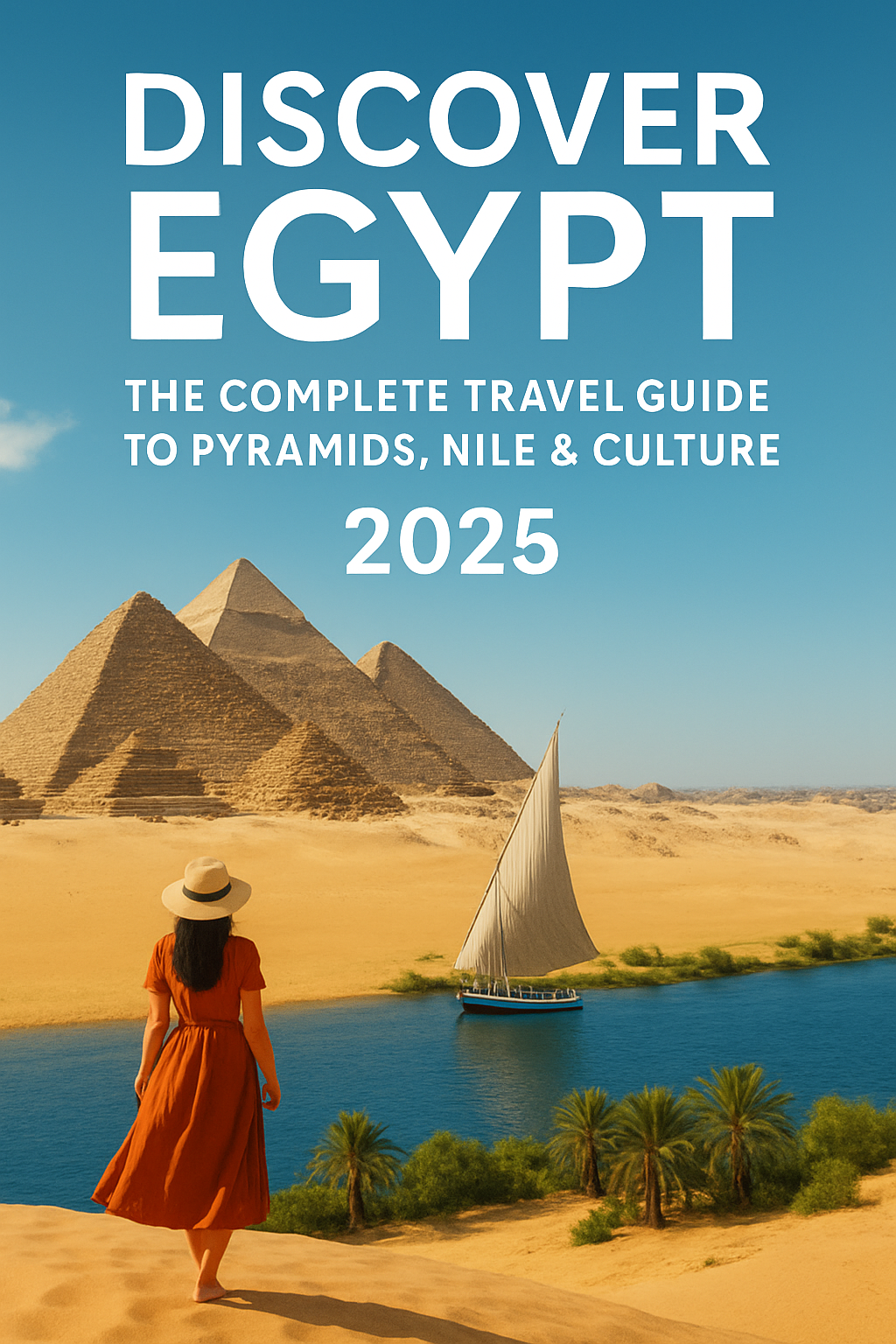
Discover Egypt: The Complete Travel Guide to Pyramids, Nile & Culture 2026
Egypt: Where Ancient Grandeur Meets Modern Soul
Introduction: The Eternal Allure of the Nile
Egypt is not merely a destination; it is a pilgrimage through time. For millennia, the rhythm of the Nile has cradled a civilization whose art, architecture, and mythology continue to captivate the world. From the silent, imposing grandeur of the Pyramids of Giza to the bustling, fragrant alleyways of Khan el-Khalili, Egypt presents a tapestry woven with threads of ancient glory, rich culture, and breathtaking natural beauty. This is not just a country to visit; it is a profound experience to be lived, a story in which every traveler becomes a character. This guide unveils the many layers of Egypt, offering a pathway from its iconic monuments to its hidden gems.
The Pillars of Egyptian Wonder: A Region-by-Region Guide
Cairo and Giza: The Heartbeat of History and Hustle
Cairo, a sprawling metropolis where the past and present collide, serves as the dynamic gateway to Egypt’s wonders. Just beyond its urban energy lies the Giza Plateau, home to the last surviving wonder of the ancient world.
The Giza Plateau: Monuments to Eternity
The Pyramids of Giza and the enigmatic Sphinx are more than just sights; they are emotive landmarks that have stood sentinel for over 4,500 years. The best times for a visit are at dawn or dusk when the light paints the stones in gold and the crowds are thin. A short drive away, the Grand Egyptian Museum (GEM), poised to be the world’s largest archaeological museum, promises to house the complete treasures of Tutankhamun under one awe-inspiring roof.
Islamic and Coptic Cairo: Layers of Faith and Culture
Across the city, the Citadel of Saladin offers panoramic views and houses the elegant Mohamed Ali Mosque. Winding down into the labyrinthine lanes of Islamic Cairo, you’ll find historic mosques and madrasas. Descend further into history in Coptic Cairo, home to the Hanging Church and the Ben Ezra Synagogue, speaking to Egypt’s long history of religious coexistence.
Luxor: The World’s Greatest Open-Air Museum
Often called the world’s greatest open-air museum, Luxor, ancient Thebes, is the treasure chest of Pharaonic Egypt, divided by the life-giving Nile.
The East Bank: Temples of Cosmic Power
Here, the Karnak Temple Complex unfolds—a staggering city of temples built over 2,000 years. Walking through its Great Hypostyle Hall, a forest of 134 colossal columns, is an experience of pure awe. Nearby, Luxor Temple, beautifully illuminated at night, connects via a once majestic avenue of sphinxes to Karnak.
The West Bank: The Realm of the Afterlife
Crossing the Nile reveals the Valley of the Kings, the final resting place of pharaohs like Tutankhamun and Ramses the Great. The vivid hieroglyphs adorning these tombs were meant to guide souls to the afterlife. Nearby, the elegant, terraced Mortuary Temple of Hatshepsut honors one of Egypt’s most successful female pharaohs, while the Colossi of Memnon stand as silent guardians.
Aswan and the Nile Valley: Nubian Culture and Serene Beauty
Further south, Aswan offers a more tranquil pace and a gateway to Nubian culture. The High Dam, a modern engineering marvel, created Lake Nasser. On an island in the reservoir sits the beautiful Philae Temple, dedicated to the goddess Isis and meticulously relocated to save it from the rising waters.
Sailing the Timeless Nile
The journey between Luxor and Aswan is best experienced from the deck of a Nile cruise. This is the quintessential Egyptian travel experience, allowing you to unpack once while timeless landscapes and temple stops like Edfu and Kom Ombo float by. For a more intimate connection, a sunset sail on a traditional felucca sailboat is essential.
Beyond the Nile: Deserts, Oasis, and Seas
The Red Sea Riviera: A Diver’s Paradise
Resorts like Sharm El Sheikh and Hurghada offer a stunning contrast to the historical interior. The Red Sea is a world-class destination for diving and snorkeling, with vibrant coral reefs and abundant marine life in places like Ras Mohammed National Park.
The Western Desert: Land of Golden Silence
For those seeking solitude and surreal landscapes, Egypt’s deserts beckon. The White Desert National Park is famous for its wind-sculpted chalk formations that glow under the moonlight. Remote **oass** like*Siwa, with its olive groves and freshwater springs, offer a glimpse into unique Berber culture and traditions.
Crafting Your Egyptian Narrative: Essential Travel Planning
Best Times to Visit: Chasing the Perfect Climate
The ideal time for extensive sightseeing is during the cooler months from October to April. The weather is pleasantly warm, perfect for exploring temples and tombs. Summer months (May-September) can be extremely hot in Upper Egypt (Luxor, Aswan) but are excellent for Red Sea beach holidays, often at lower prices.
Navigating Culture with Respect and Curiosity
Dress and Demeanor
While major tourist sites are accustomed to international visitors, dressing modestly is a sign of respect, especially when visiting mosques or local communities. Lightweight, loose-fitting clothing that covers shoulders and knees is both culturally appropriate and practical for the climate.
Cultural Nuances and Connections
A few Arabic phrases like Shukran (Thank you) go a long way. Bargaining is expected in bazaars—approach it with a smile as a cultural exchange, not a confrontation. Always ask permission before photographing people.
Practicalities for a Seamless Journey
Visas and Entry
Most nationalities can obtain a tourist visa upon arrival at Egyptian airports. Ensure your passport is valid for at least six months beyond your date of entry.
Health and Safety
Drink only bottled or purified water. Comprehensive travel insurance is strongly recommended. While Egypt is generally safe for tourists, standard precautions about valuables and using registered guides apply.
Your Chapter in an Ongoing Story
Egypt is a land that doesn’t just live in history books; it pulses with life, from the call to prayer echoing over Cairo to the laughter of children playing by the Nile. It challenges and rewards, overwhelms and inspires. It invites you to stand where pharaohs stood, to sail the river that built a civilization, and to find peace in the vastness of its deserts.
Your journey to Egypt will be more than a collection of photographs; it will be a collection of feelings—the awe of scale, the warmth of the sun, the kindness of its people, and the humbling sense of time. It is an invitation to add your own story to its eternal narrative.
Ready to begin your eternal adventure? Contact our travel specialists to weave your personal journey into the timeless tapestry of Egypt.